14.06 / su / 22:15

Tenebrae | Twilight

Khokhlovka Architectural and Ethnographic Museum
Tenebrae | Twilight 

Author Peter Aidu
Project Curator Gleb Glonti
Artists — Sasha Mikhalkova, Maria Dementyeva

Please pay attention:
A free shuttle bus is provided for the audience.
Meeting spot: Soldatov Palace of Culture (79 Komsomolsky Prospekt)
Pick-up time: 21:15

Duration: 60 min

12+
The Diaghilev Festival includes the Khokhlovka in its orbit, the open-air architectural and ethnographic museum 40 kilometers from Perm. The museum of wooden architecture will host a musical performance by Peter Aidu, Tenebrae.

Tenebrae is a musical piece and liturgy that reconciles a human being of the Anthropocene epoch with the surrounding biosphere. The sound here is extracted from silence and breathing and fills the entire space with a dense sonorous cloud. Tenebrae is also a musical pop art assembled from hundreds of mundane objects ranging from a baby rattle to a mobile phone and a grocery bag.

The form of the piece's performance refers us both to archaic rituals and to the 'collective actions' of the Moscow conceptualists of the 1970s, but at the same time the work remains within the framework of modern academic music: the score is precisely written, detailed timbre work is carried out, and it is distinguished by clear constructiveness. The piece is conceived as a single, continuously transforming sound, a fluid structure in which change becomes the main principle of form.

According to the author of the play, Kazimir Malevich described the constructive foundations of this work as accurately as possible in a letter to composer Mikhail Matyushin a hundred years ago: ‘modern music should go in the direction of developing expressive musical layers and should possess the length and thickness of moving musical masses in time, and that the dynamism of musical masses should be replaced by staticism, i.e. holding back musical sonorous masses from temporal evolution.’
buy tickets
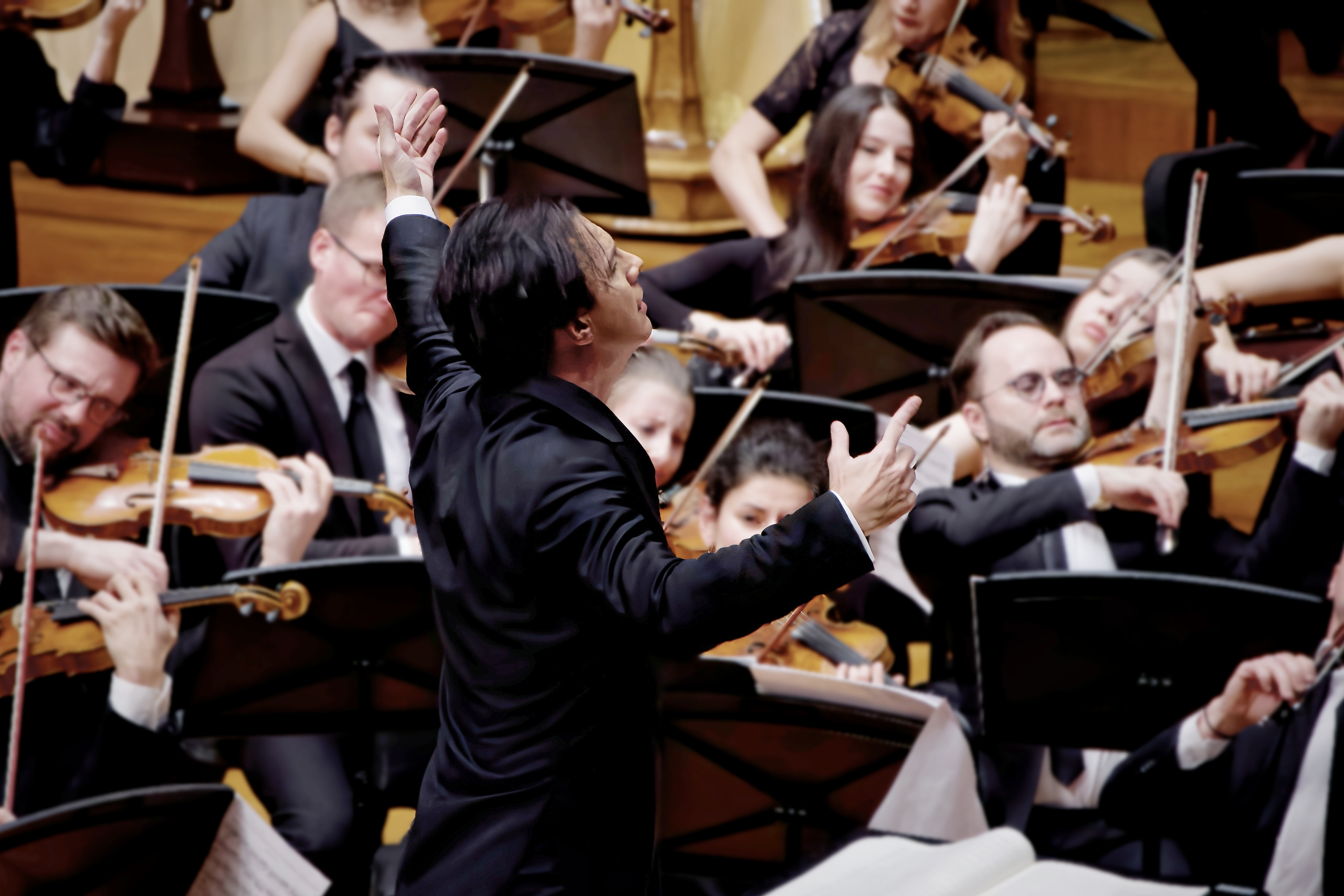
Concert of musicAeterna. Beethoven, Mozart
all tickets sold out
Harmonie du soir | Harmony of the Evening
all tickets sold out
The mystery from time immemorial
Concert 14.06 / su / 17:00

The mystery from time immemorial

all tickets sold out

The Great Hall of the Perm Philharmonic

Concert of musicAeterna. Beethoven, Mozart
symphony concert

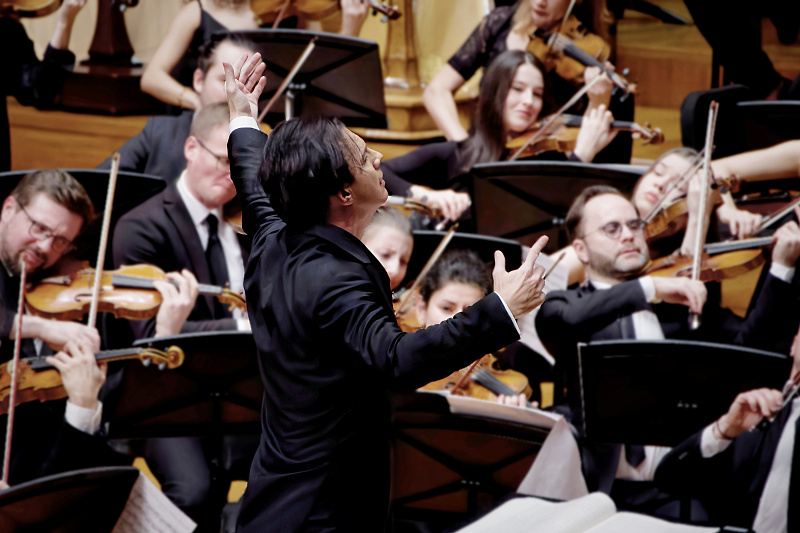
musicAeterna Orchestra
Conductor Teodor Currentzis

Ludwig van Beethoven (1770–1827)
Symphony No. 4 in B-flat Major, Op. 60 (1806) 

Adagio – Allegro vivace
Adagio
Allegro vivace
Allegro ma non troppo

Wolfgang Amadeus Mozart (1756–1791)
Symphony No. 41 in C Major, 'Jupiter', KV 551 (1788)

Allegro vivace
Andante cantabile
Menuetto: Allegretto
Molto allegro

12+

Teodor Currentzis and the musicAeterna Orchestra will perform symphonies No. 4 by Beethoven and No. 41 'Jupiter' by Mozart. In this programme, classical composers will appear in unusual 'guises'. The dramatic rebel Beethoven will appear as a gentle lyricist and master of idyllic genre paintings, while the graceful Mozart will reveal himself as a strong-willed monumentalist.

Ludwig van Beethoven's Symphony No. 4 still remains overshadowed by his 'Heroic' Symphony No. 3 and the dramatic No. 5. Robert Schumann deemed it 'a slender Hellenic maiden between two northern giants,' Romain Rolland compared it to 'a pure flower that preserves the fragrance of the clearest days' in the composer's life. Romantic composers especially favoured this cycle, perhaps because of the remarkable introduction to the first movement: languid wanderings in the gloomy B-flat minor — the dark key of death — that gradually bring the 'hero' into the light: a major sonata allegro. The second melodious Adagio resembles a chamber romantic song. The cheerful Menuetto and impetuous finale seem to bridge the gap from the symphonies of the late Haydn to the fantastic scherzos of Mendelssohn and Berlioz.

Mozart's 'Jupiter' symphony, instead of pre–romantic awe — as in the famous Symphony No. 40, which was created simultaneously with the No. 41 — embodies the heroic and epic element in the most Beethovenian sense of the word. The solemn elevatedness of the music, combined with exquisite contrapuntal workmanship and complex compositional techniques, turn this largest of Mozart's symphonic cycles into a hymn to classicism with its clarity of mind and cheerfulness of spirit.
all tickets sold out more

Private Philharmonic Triumph

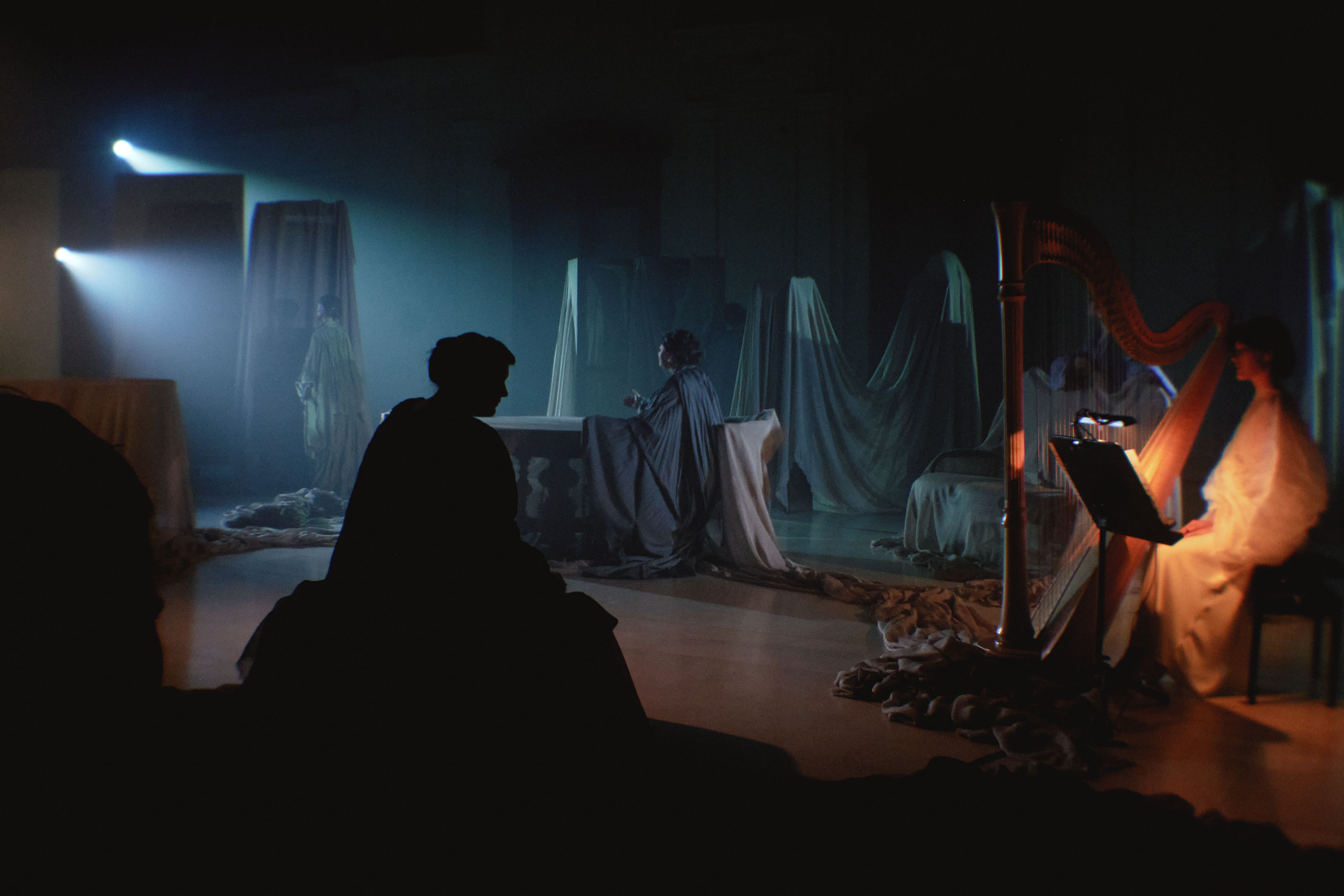
Harmonie du soir | Harmony of the Evening
chamber concert

French chamber vocal music of the late 19th – early 20th centuries

Performers:
Anton Rubinstein Academy artists
Tatiana Bikmukhametova, soprano
Yulia Vakula, mezzo-soprano
Ksenia Dorodova, soprano
Diana Nosyreva, soprano
Iveta Simonyan, soprano

Kirill Pavlov, piano
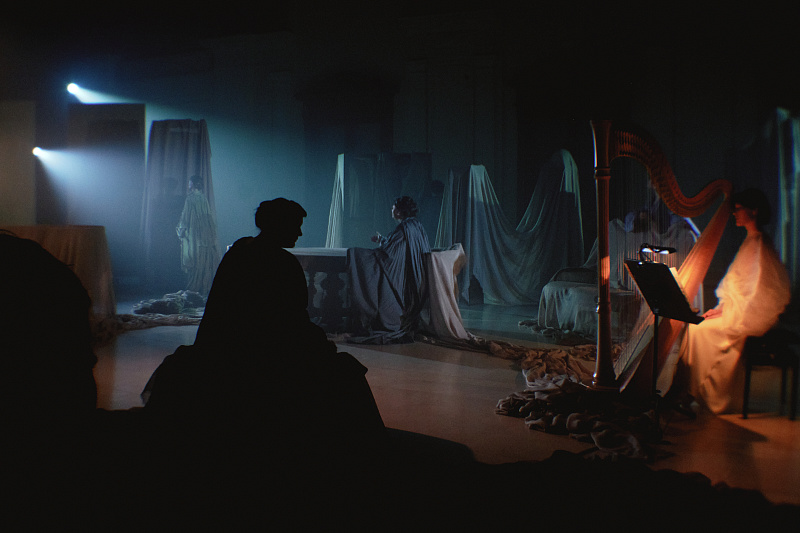
Luisa Mintsayeva, harp
Margarita Galkina, flute

Stage Director – Elizaveta Moroz
Vocal mentors of the Rubinstein Academy – Jennifer Larmore, Irini Tsirakidis
Vocal coach – Andrey Nemzer

The musical director of the programme – Evgeny Vorobyov


16+

The turn of the 19th–20th centuries in European music is an amazing time when a variety of styles and ways of expression meet and exist on equal terms in the same concert field. In a concert by the artists of the Anton Rubinstein Academy, this effect will manifest itself in the field of French classical song – mélodie.

Ranging from the late romantic songs of Camille Saint-Saëns, Gabriel Fauré and the almost forgotten composer of a tragic fate Henri Duparc to the impressionism of Claude Debussy, from the neoclassical graphics of Maurice Ravel to the sly games of Éric Satie, the French chamber vocal music at that time was especially difficult to perform, but not to perceive.

This subtle, charming musical world built on semitones and hints will be embodied in the form of a performance concert staged by Elizaveta Moroz. The artists of the Anton Rubinstein Academy tell an atmospheric story about love, beauty and transience, which will also include works by Debussy and Satie for piano and harp solo.

On the programme:

Henri Duparc (1848–1933)
L'invitation au voyage for voice and piano set to the verses by Charles Baudelaire (1870)
Soloist – Diana Nosyreva

Maurice Ravel (1875–1937)
Chanson de la mariée, No. 1 from the cycle Cinq mélodies populaires grecques for voice and piano, folk poems, M. A 4 (1904–1906)
Soloist – Ksenia Dorodova

Maurice Ravel
Vocalise-étude en forme de habanera for voice and piano, M. 51 (1907)
Soloist – Yulia Vakula

Camille Saint-Saëns (1835–1921)
Guitares et mandolines for voice and piano set to his own verses (1890), version for voice, harp and flute
Soloist – Tatiana Bikmukhametova

Claude Debussy (1862–1918)
Nuits d'étoiles for voice and piano set to the verses by Théodore de Banville, L. 4 (1880), version for voice and harp
Soloist – Iveta Simonyan

Claude Debussy
Clair de lune, No. 3 from Suite bergamasque for piano, L. 75 (1890-1905)
Soloist – Kirill Pavlov, piano

Maurice Ravel
La flûte enchantée, No. 2 from the cycle Shéhérazade for voice and piano set to the verses by Tristan Klingsor, M. 41 (1903), version for voice, piano and flute
Soloist – Julia Vakula

Claude Debussy
Rondel chinois for voice and piano set to the verses by Marius Dillard, L. 17
(1881)
Soloist – Iveta Simonyan

Henri Duparc
Lamento for voice and piano based on poems by Théophile Gautier (1883)
Soloist – Diana Nosyreva

Maurice Ravel
Kaddisch, No. 1 from the cycle Deux mélodies hébraïques for voice and piano, traditional text in Aramaic, M. A 22 (1914)
Soloist – Ksenia Dorodova

Maurice Ravel
L'énigme éternelle, No. 2 from the cycle Deux mélodies hébraïques for voice and piano, traditional text in Yiddish
Soloist – Tatiana Bikmukhametova

Éric Satie (1866–1925)
Gymnopédie No. 1 from the cycle Trois Gymnopédies for piano, ES. 10 (1888), solo harp version
Soloist – Louisa Mintsaeva, harp

Claude Debussy
La Romance d'Ariel for voice and piano set to the verses by Paul Bourget, L. 58 (54) (1884)
Soloist – Iveta Simonyan

Ernest Chausson (1855–1899)
Le temps des lilas for voice and piano set to the verses by Maurice Bouchor (1877)
Soloist – Diana Nosyreva

Gabriel Fauré (1845–1924)
Après un rêve, No. 1 from the cycle Trois Mélodies for voice and piano set to the verses by an unknown author in French translation by Romain Bussin, Op. 7 (1877)
Soloist – Tatiana Bikmukhametova

Camille Saint-Saëns
Tournoiement (Songe d'opium), No. 6 from the cycle Mélodies Persanes for voice and piano set to the verses by Armand Renaud, Op. 26 (1870)
Soloist – Ksenia Dorodova

Claude Debussy
Beau soir for voice and piano based on poems by Paul Bourget, L. 6 (1880/1890–1891), version for voice and harp
Soloist – Yulia Vakula
all tickets sold out more
Perm Philharmonic Organ Concert Hall

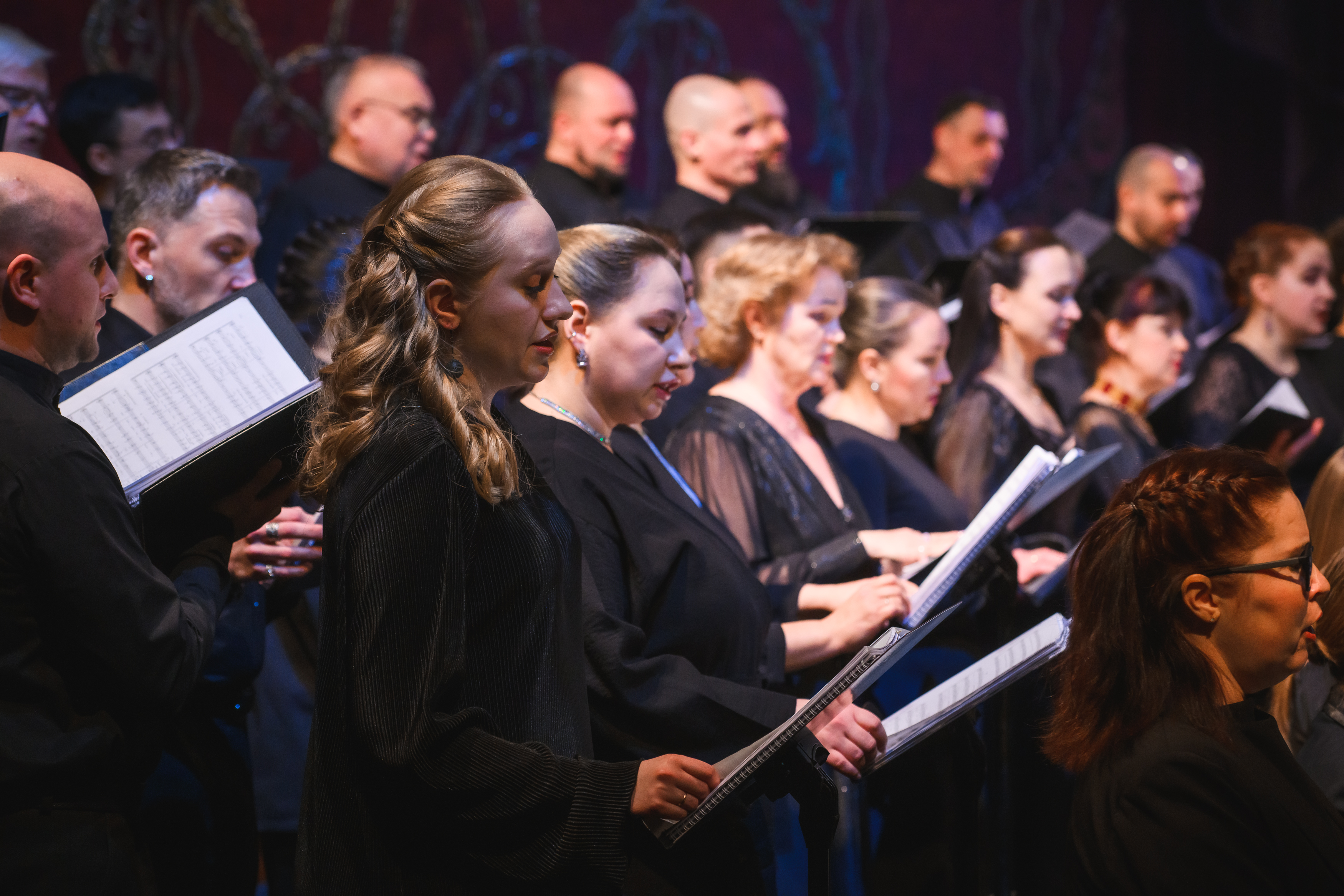
Dusha grustit o nebesakh | The Soul is Sad about Heaven 
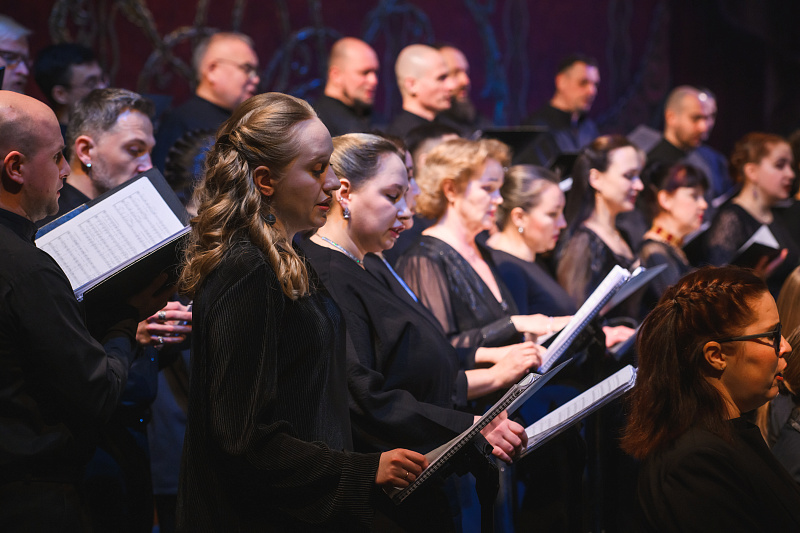
concert of the Perm Opera and Ballet Theatre Choir


Chief Choirmaster and Conductor of the Perm Opera and Ballet Theatre Choir Valeria Safonova
Programme Author Vitaly Zhdanov
Choirmaster Konstantin Pogrebovsky

12+

The Perm Opera and Ballet Theatre Choir, conducted by Chief Choirmaster Valeria Safonova, presents a programme encompassing Russian music from Alexey Lvov to Georgy Sviridov.
The concert will feature mostly sacred music compositions. Next to fragments from Sergei Rachmaninoff's All-Night Vigil, traditional Russian and Georgian chants are sung based on the same prayer texts. The programme also includes a spiritual chant by Baroque violinist and composer Alexey Lvov.

The secular works of Valery Gavrilin and Georgy Sviridov naturally merge into the sound palette of the concert. Their musical structure and soulful texts are filled with the same stingy but poignant colours, the same lofty aspirations that make up the essence of the compositions intended for performance in the church. It is no coincidence that the programme is titled after Sviridov's choir The Soul is Sad about Heaven.

On the programme:

Valery Gavrilin (1939–1999)
Bely bely sneghi | White, White Snows, No. 16 from choral symphony-performance Perezvony | Chimes for soloists, large choir, oboe, percussion, and reciter (1982)
Priidite, poklonimsya | O Come, Let Us Worship, a Georgian chant for a male choir

Sergei Rachmaninoff (1873–1943)
Priidite, poklonimsya | O Come, Let Us Worship, No. 1 from Vsenoschnoye bdeniye | All-Night Vigil, Op. 37 (1915)
Bogoroditse devo radujsya | Hail Mary Full of Grace, a chant of the Voznesensky (Kremlin) Monastery for women's choir

Sergei Rachmaninoff
Bogoroditse devo radujsya | Hail Mary Full of Grace
Blagosloven yesi, Gospodi | Blessed art Thou, O Lord, No. 6 and No. 9 from the All-Night Vigil, Op. 37

Georgy Sviridov (1915–1998)
Dusha grustit o nebesakh | The Soul is Sad about Heaven set to the verses by Sergei Yesenin (1967)

 Alexey Lvov (1798–1870)
Vecheri Tvoyeya tainyya | The Supper of Thy Mystery, the hymn for the Holy Thursday Liturgy

Georgy Sviridov
U berega zelyonogo | Off the Coast of Green
Chasovaya strelka blizitsya k polnochi | The Hour-hand is Nearing Midnight...
Lyubov | Love, No. 2, No. 3 and No. 4 from the cantata Nochnye oblaka | Night Clouds set to the verses of Alexander Blok (1981)
Prechistaya Devo | O Most Pure Virgin, a traditional Christmas carol

Sergei Rachmaninoff
V molitvakh neusypauschuyu Bogoroditsu | The Theotokos, Ever-Vigilant in Prayer, choral concert, TN 61 (1893)
Tebe poyom | We Sing to Thee, No. 12 from the Liturgy of St. John Chrysostom, Op. 31 (1910)
buy tickets more

Perm Philharmonic Organ Concert Hall

the mystery from time immemorial
sacred music concert

On the programme:
Sacred music of Russia and Europe of the 15th-17th centuries

Performers:
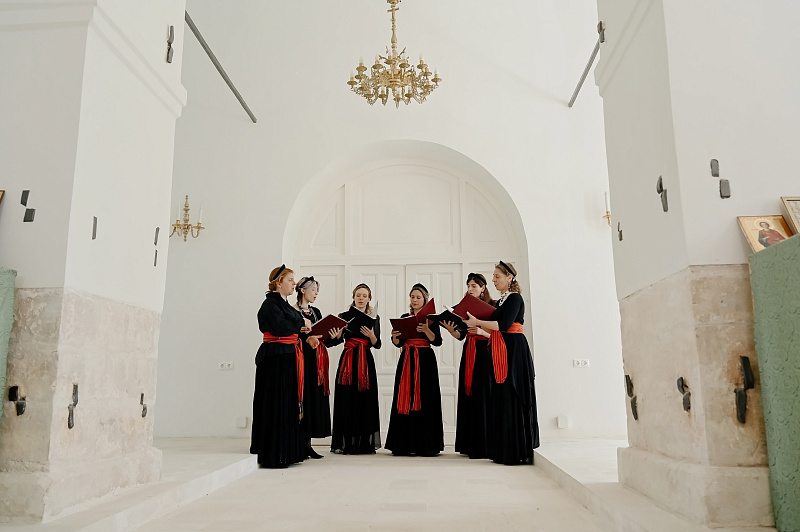
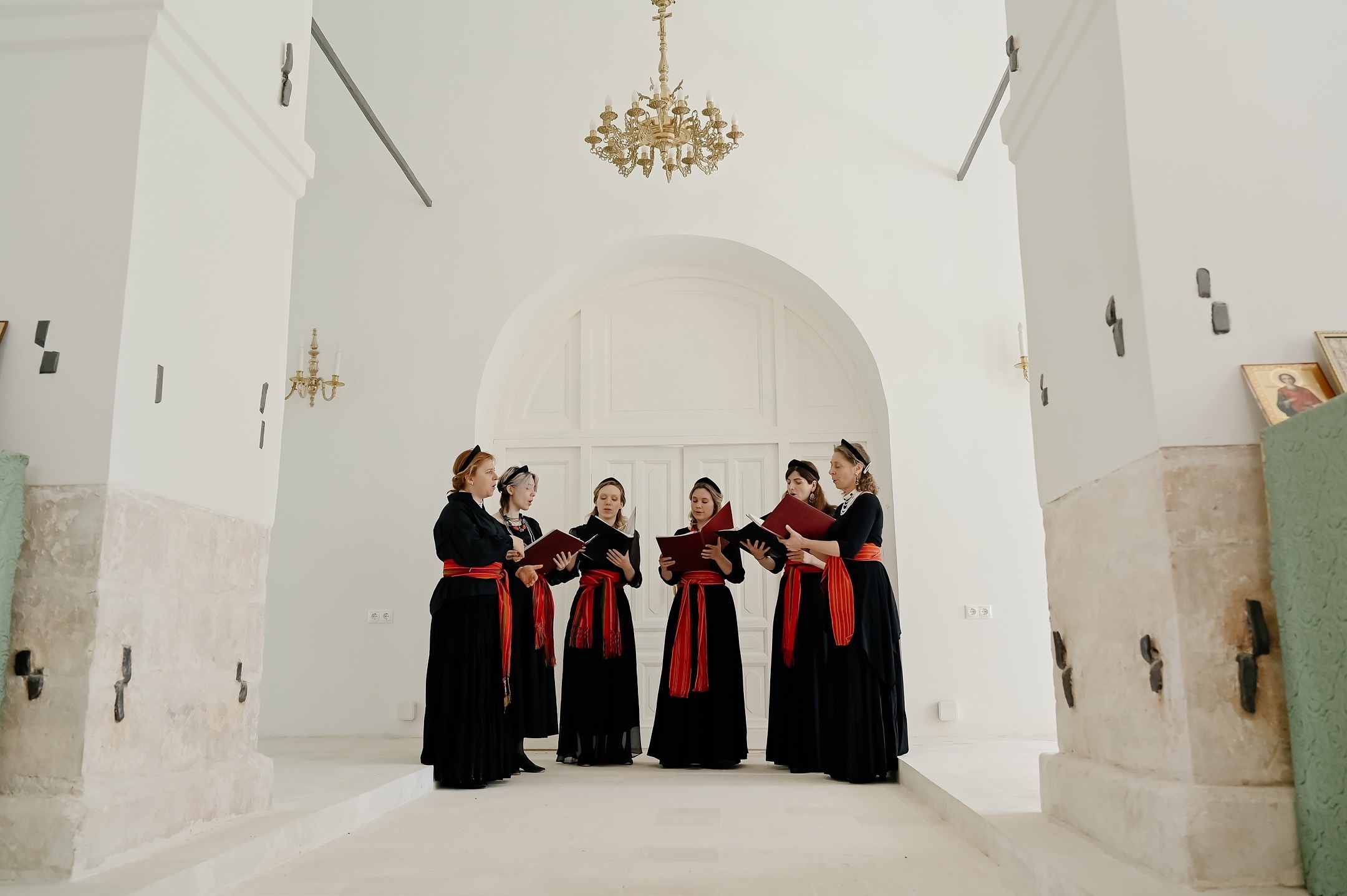
Uzorika vocal ensemble

Varvara Kotova
Varvara Sinitsina
Polina Terentyeva
Evgeniya Savina
Anastasia Kotova
Vasilisa Proshina

12+

The Uzorika vocal ensemble was founded in 2008, and it focuses on performing Russian sacred music from pre-Petrine era and juxtaposing it to European music of the Middle Ages and Renaissance. The ensemble has formed its own sound aesthetics based on the combination of academic professionalism with folk vocal culture. The timbre astringency and peculiar vocal techniques return the music created before the emergence of classical singing schools to its natural sound. The uniformity of the ensemble of female voices makes it possible to harmoniously perform works from those eras when men and women did not sing together in public. The ensemble constantly collaborates with musicologists specializing in medieval music, performing unpublished transcriptions and reconstructions, and pays special attention to the Word, which is of paramount importance in both European and Russian sacred music.

At the Diaghilev Festival, Uzorika will perform a programme dedicated to the spiritual chants of Russia and Europe of the 15th-17th centuries. In both cultures, this is the heyday of vocal polyphony. The European part of the programme consists of works written mainly during the Renaissance in the technique of strict style polyphony, which is both complex and transparent. After a century of fascination with exceptionally sophisticated compositional techniques, the composers, performers and listeners returned to the word, clarity and light.

Russian music is represented by the chants of the 17th century, an era of unprecedented stylistic diversity of liturgical music. In churches and at solemn festive liturgies, harsh dissonant masculine and lowercase polyphony was juxtaposed with the latest, European-influenced part-singing arrangements of Znamenny Chant and multi-part polyphonic concerts. In the 17th century, the harmonization of ancient chants reached its peak, but disappeared from liturgical practice during the era of Peter the Great's reforms.

Today, the hymnography of Ancient Russia is very rarely heard in churches and concert venues. Thus, the concert of the Uzorika ensemble, one of the few ensembles dedicated to the study of ancient Russian singing art, is an unusual, rare, and valuable listening experience.
all tickets sold out more