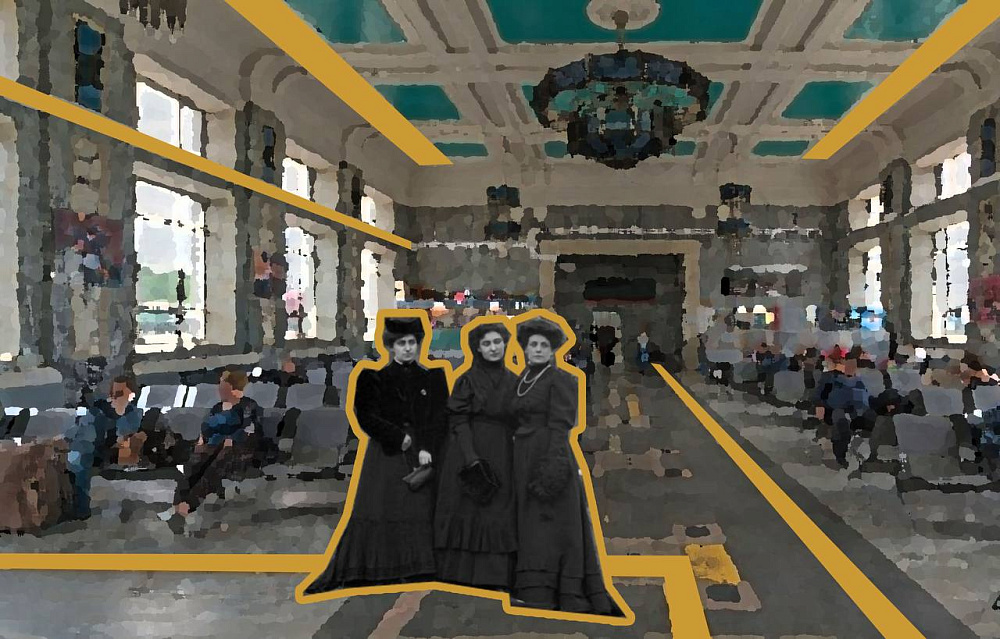
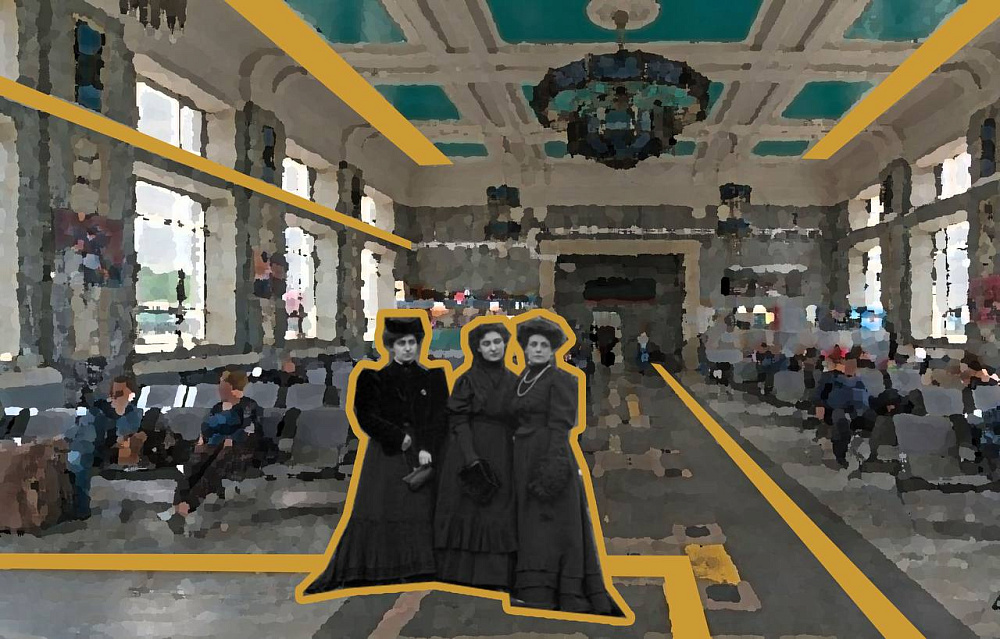
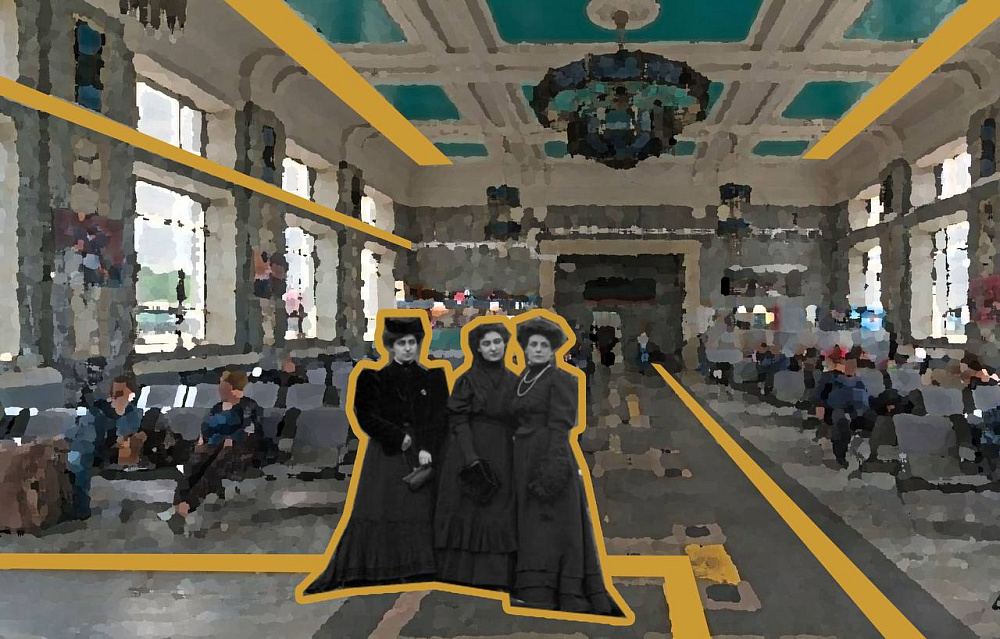
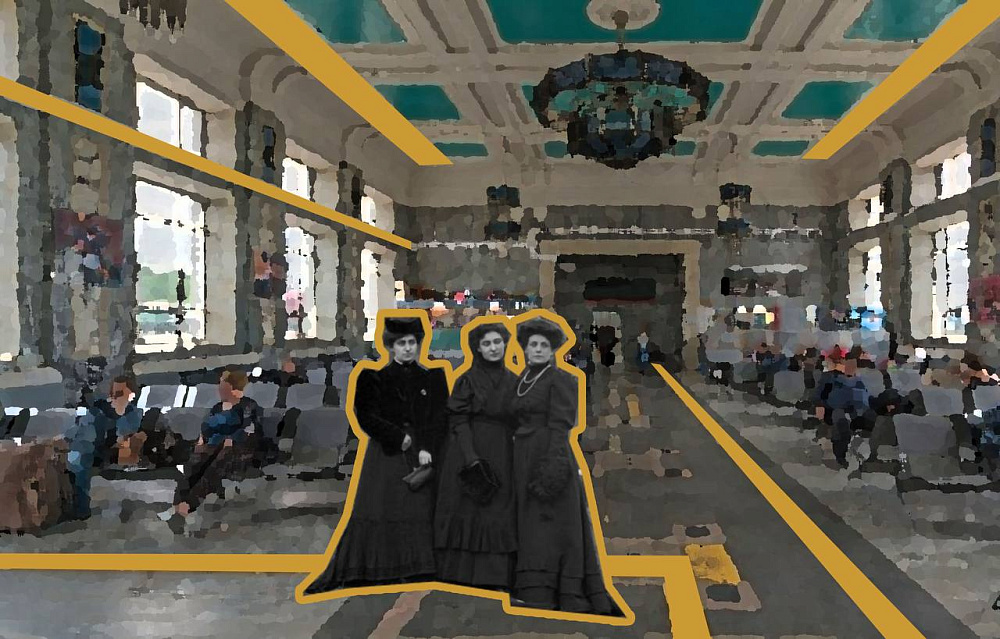
It is commonly believed that Anton Chekhov had Perm in mind when creating the setting of Three Sisters. The writer did not specify the site of action, but in a letter to Gorky dated 16 October 1900, he reported: '... the action takes place in a provincial town like Perm.' According to Perm local historians, the prototypes of the heroines could be the three Zimmerman sisters — Ottilia, Margarita and Evelina, prominent town residents of the Chekhov era.
The opera takes place at the fictional railway station of the town of N (Perm). Here, three sisters are stuck waiting for a train to Moscow that will never arrive. During the performance, the audience, together with Chekhov’s heroines, will relive four days from their past, each corresponding to one act of the play. Each day consists of three monologue memories.
The sisters reflect on happiness and lost opportunities. Masha ponders the mistakes of her youth, living with an unloved husband and the impossibility of happiness with someone she loves. Olga — her own loneliness and responsibility for her family. Irina — the search for her self, her destiny, and love.
Verbatim pieces are embedded in the musical text of the opera — the direct speech of real women whose names match the names of the three sisters. In these verbatim extracts, our contemporaries reflect on the same questions as Chekhov's heroines more than a hundred years ago. The past and the present enter into a dialogue in search of an answer to the question that occupied Tuzenbach and Vershinin: can a person be happy now or 'happiness is only for our distant descendants'?
The opera was created as part of the Union of Composers of Russia residence with the support of the Ministry of Culture of the Russian Federation. Project partner: The Kolobov Novaya Opera Theatre of Moscow
all tickets sold out
more